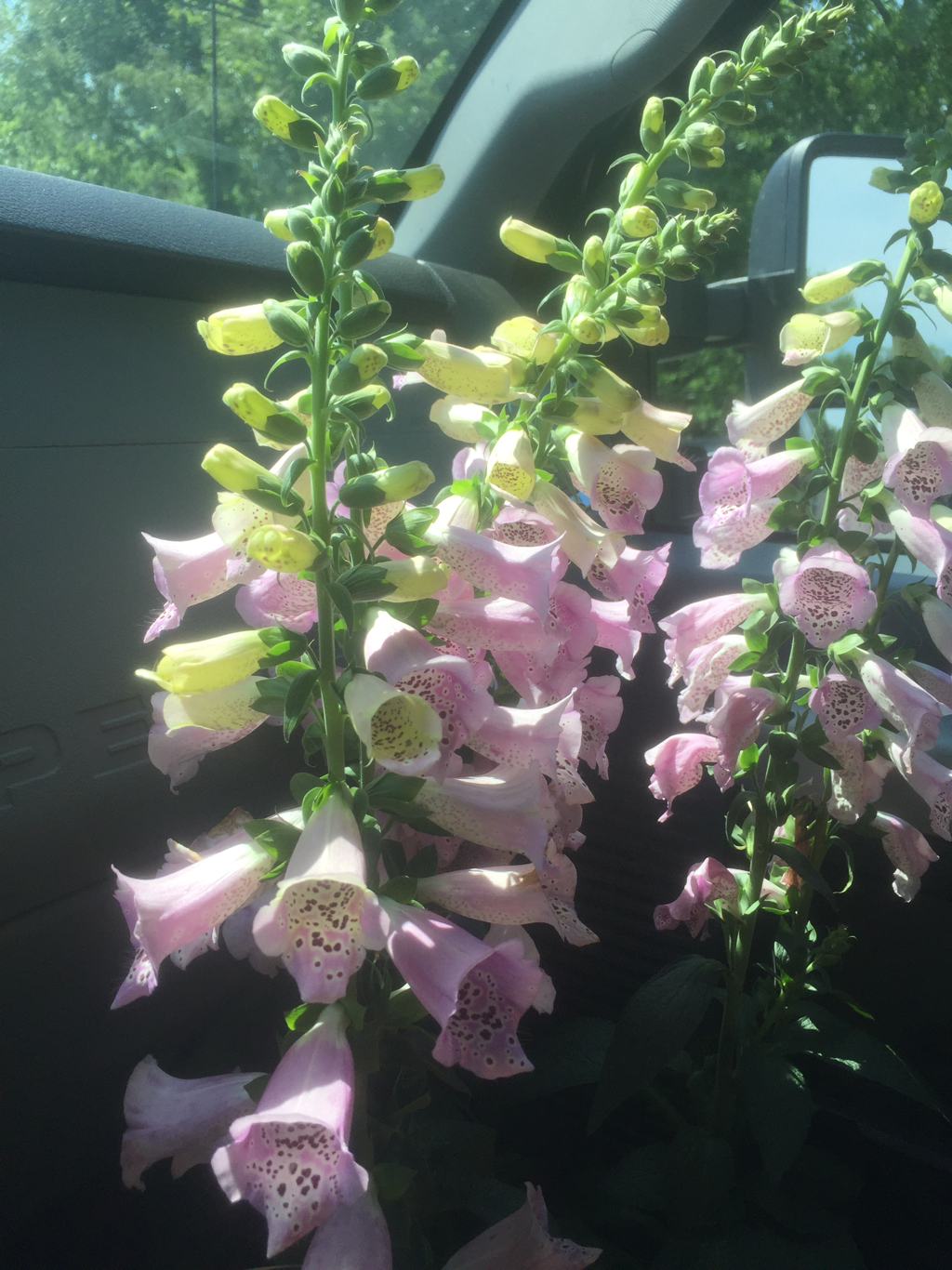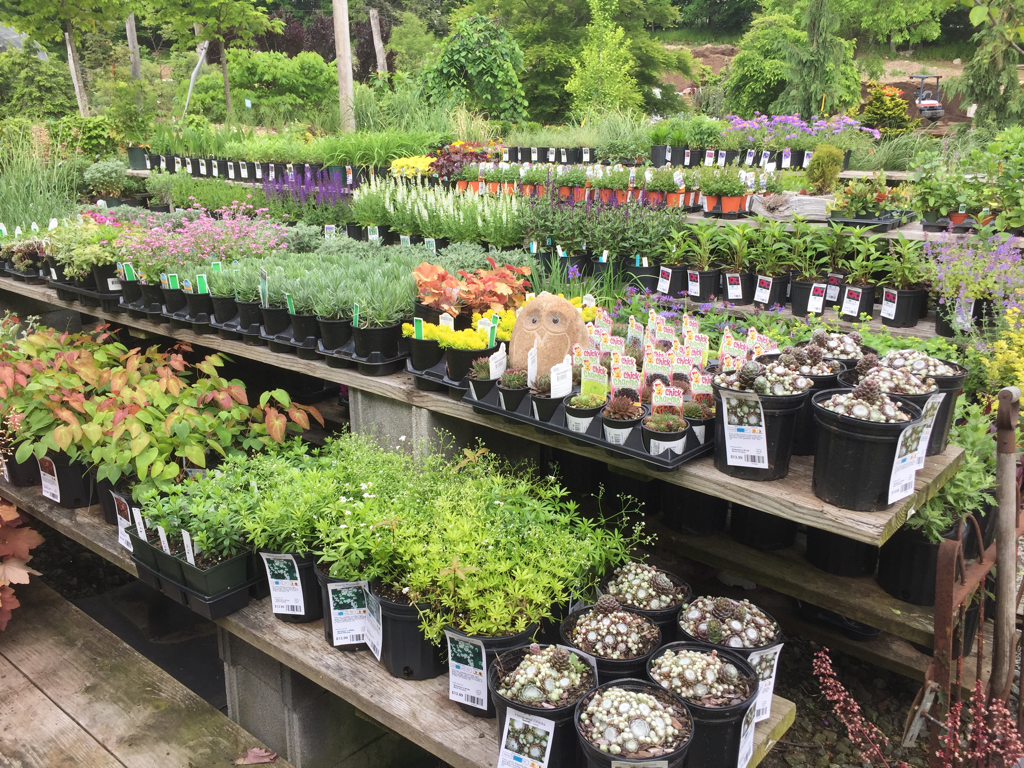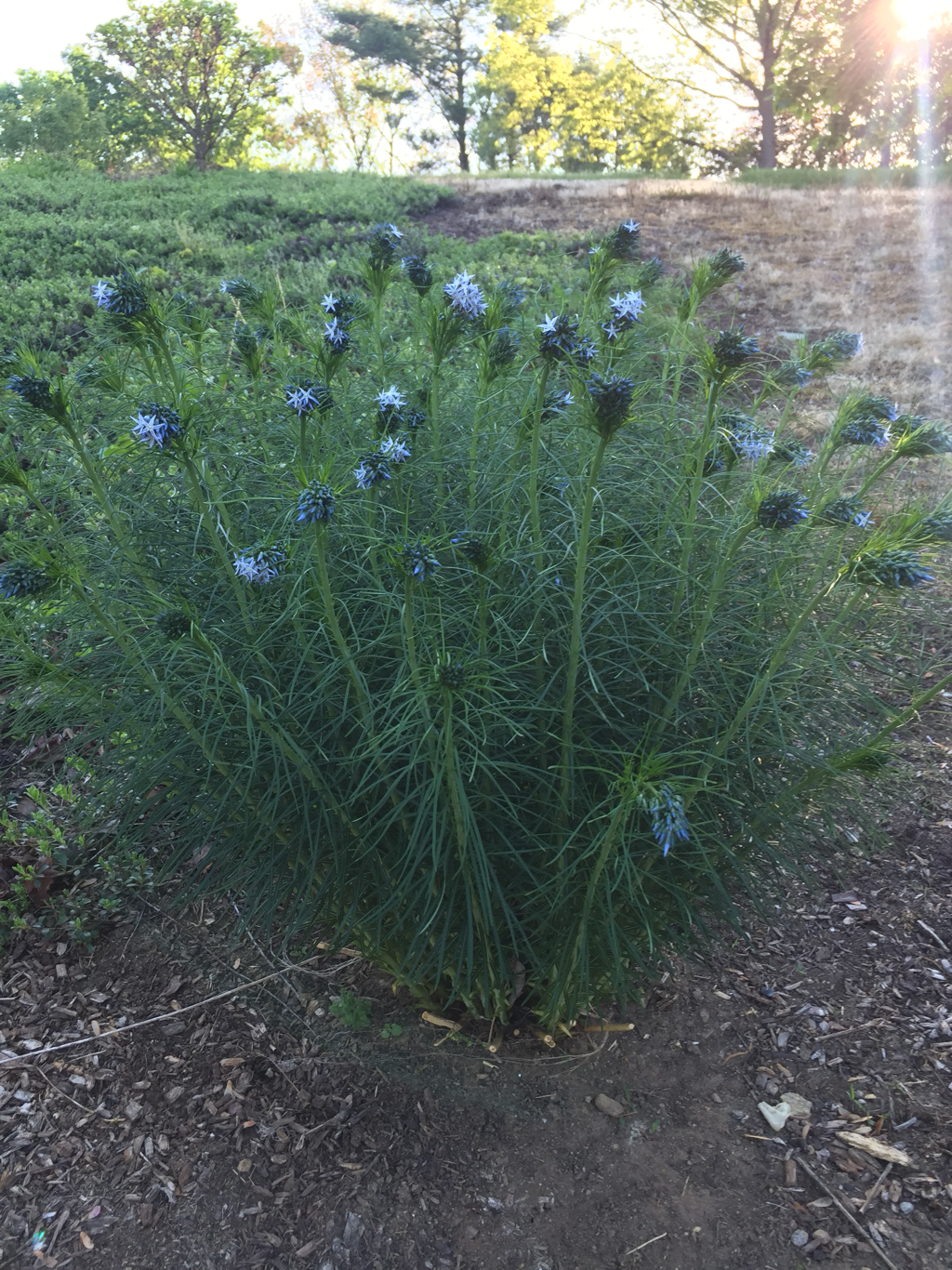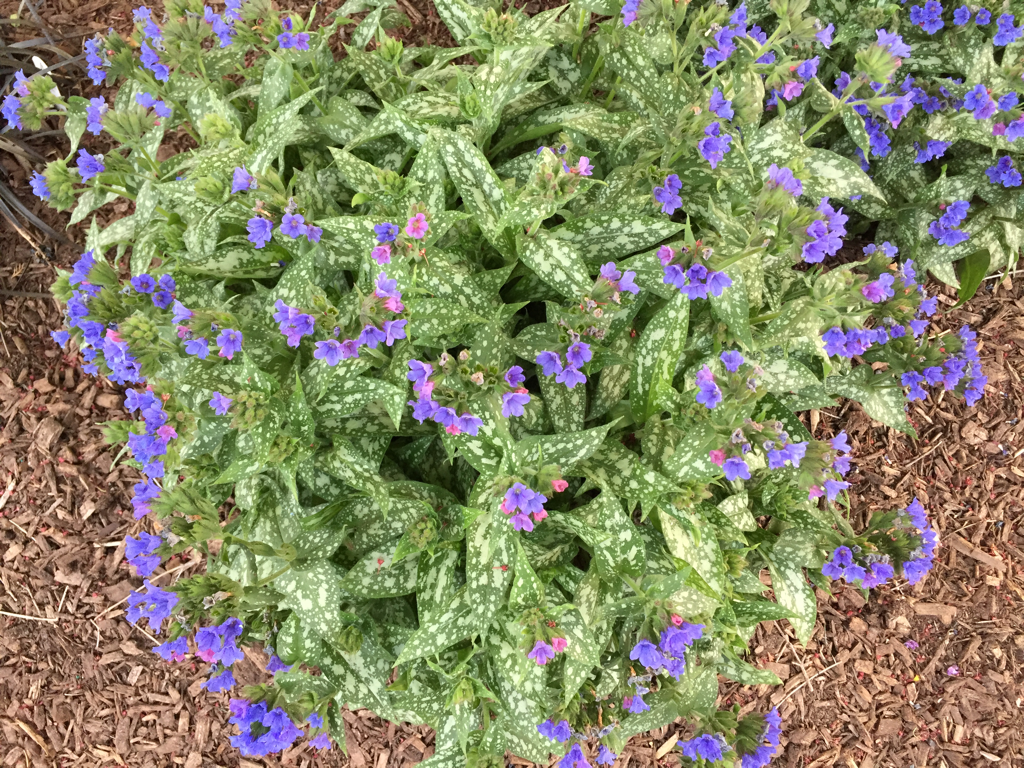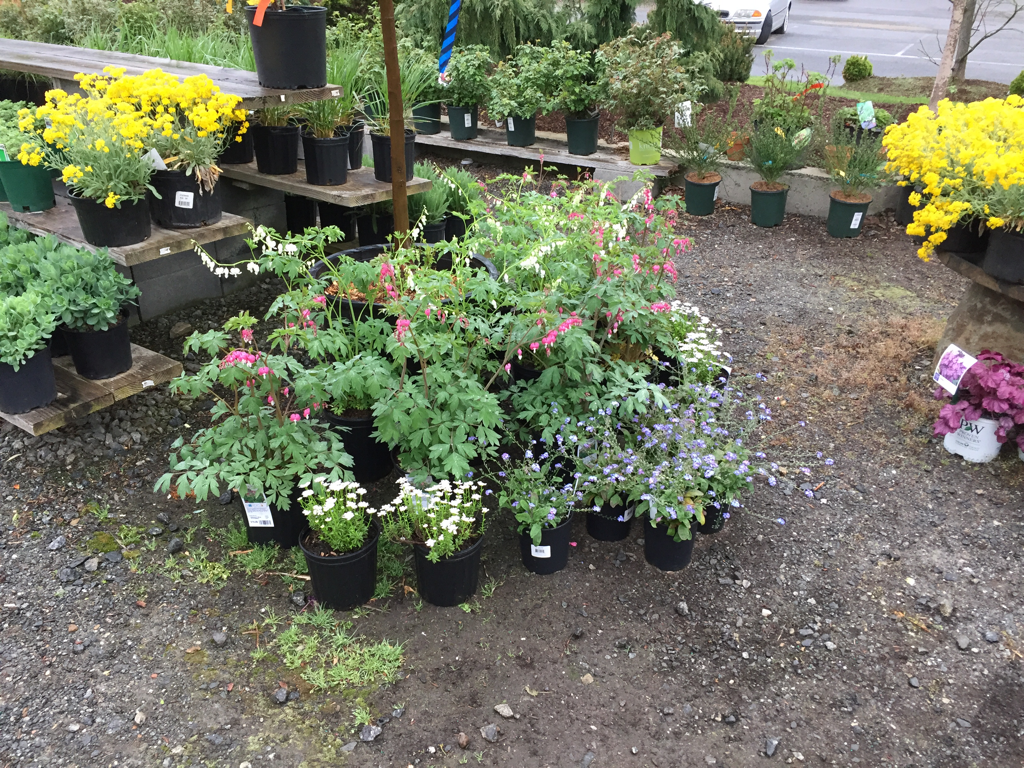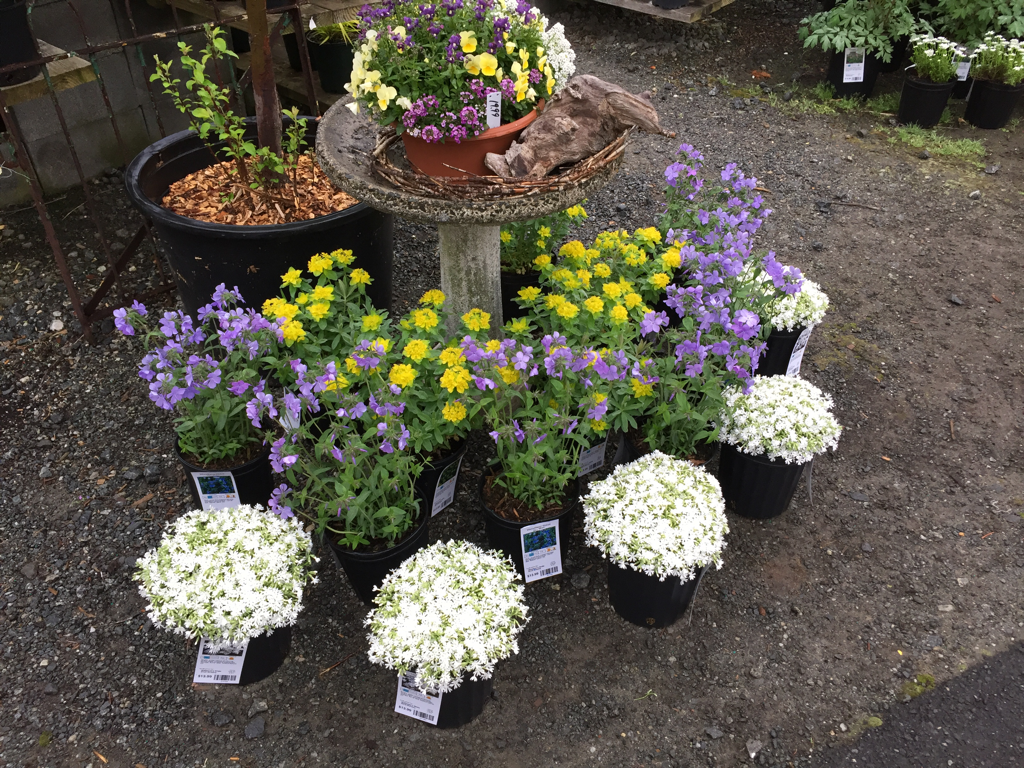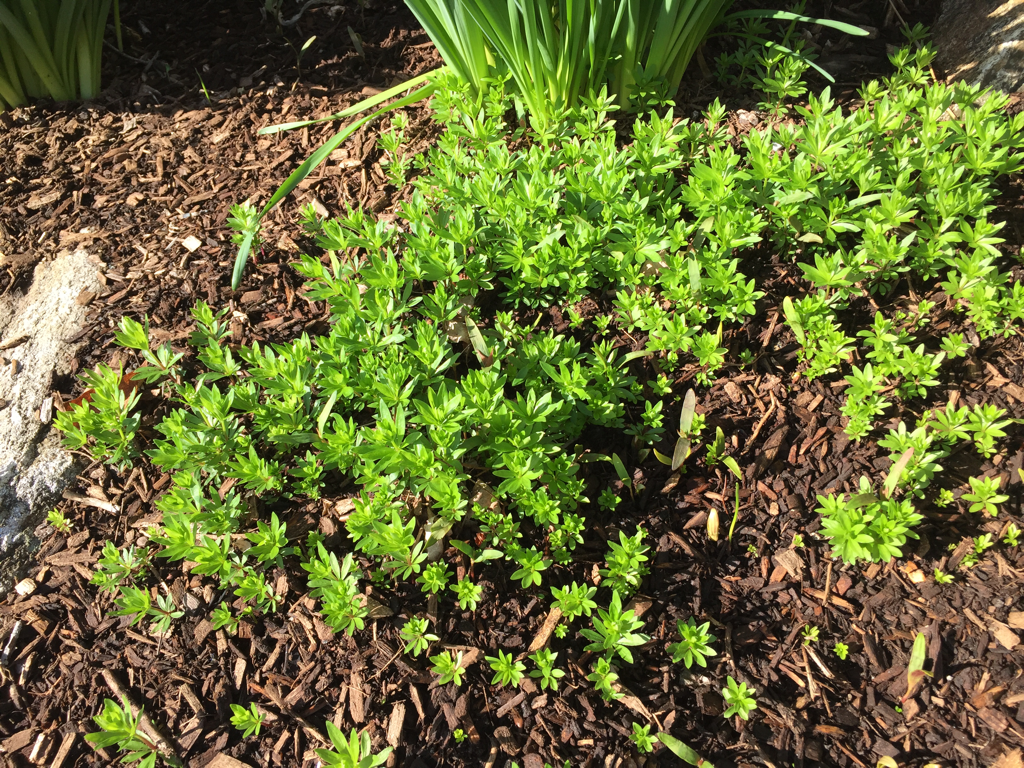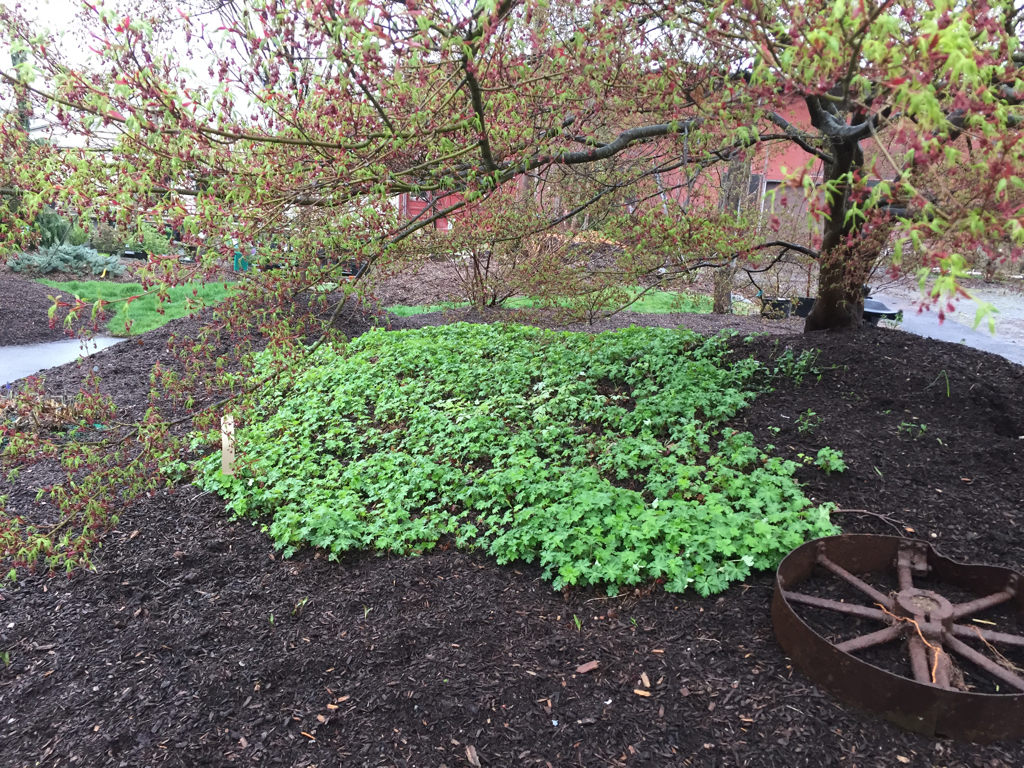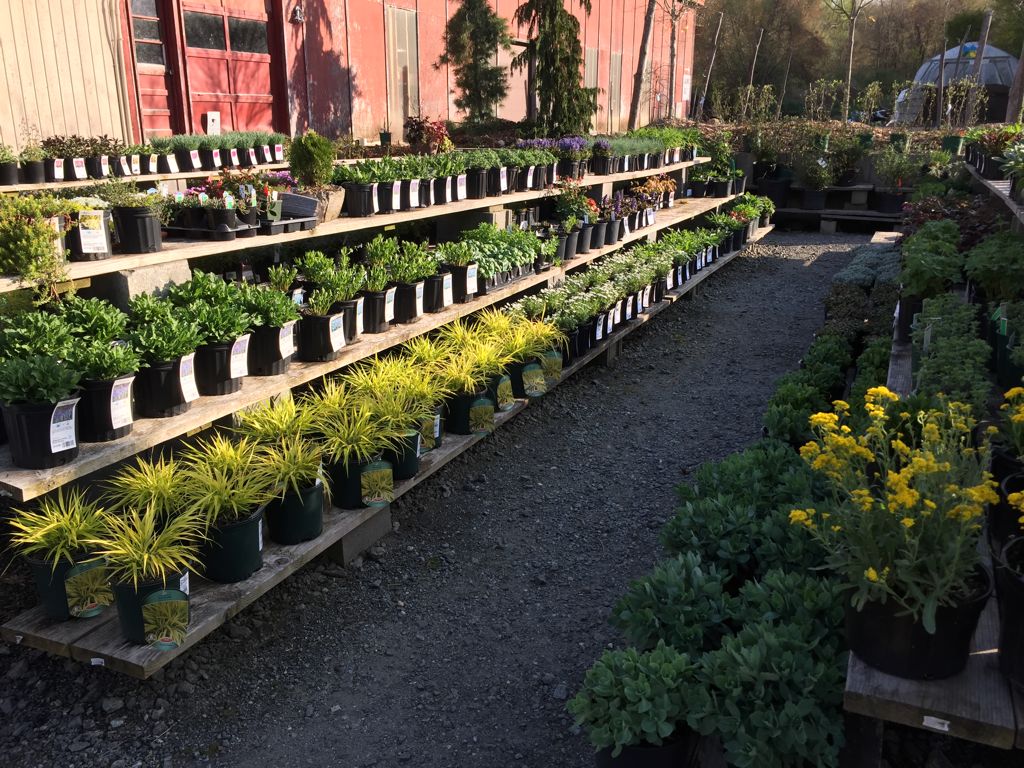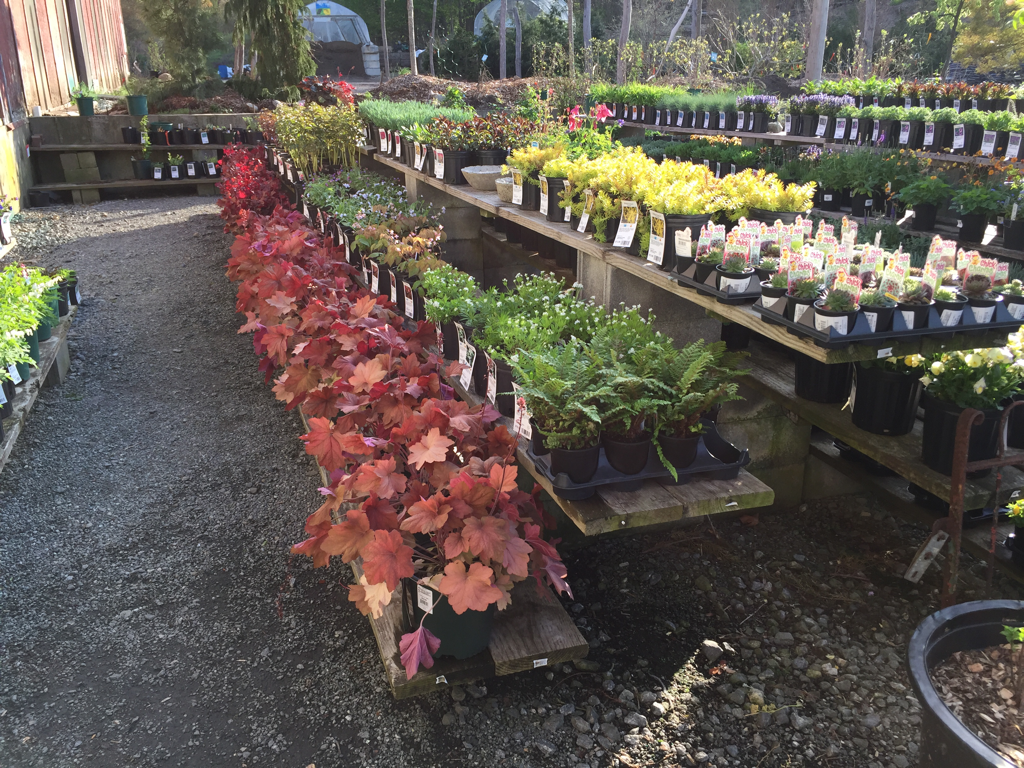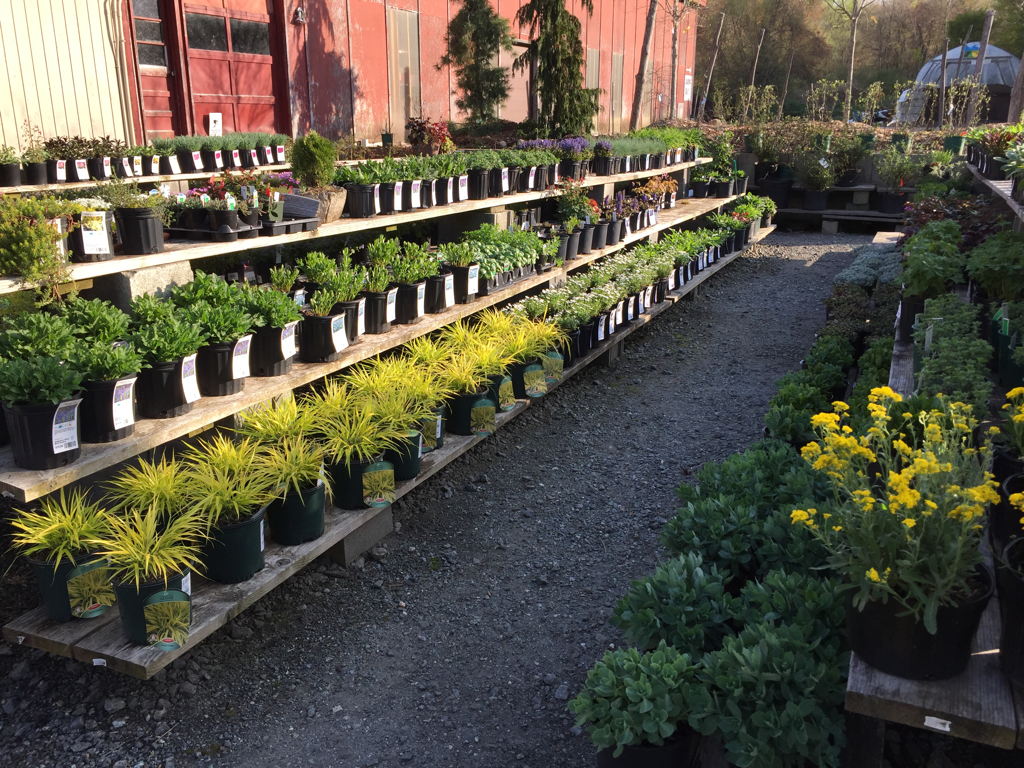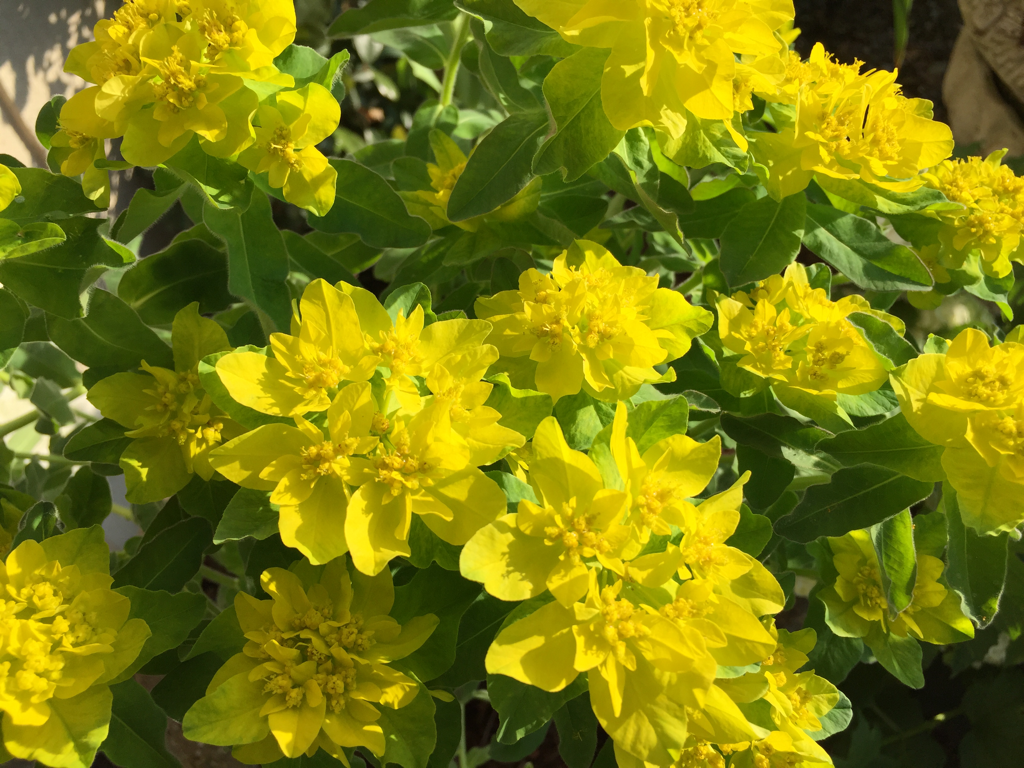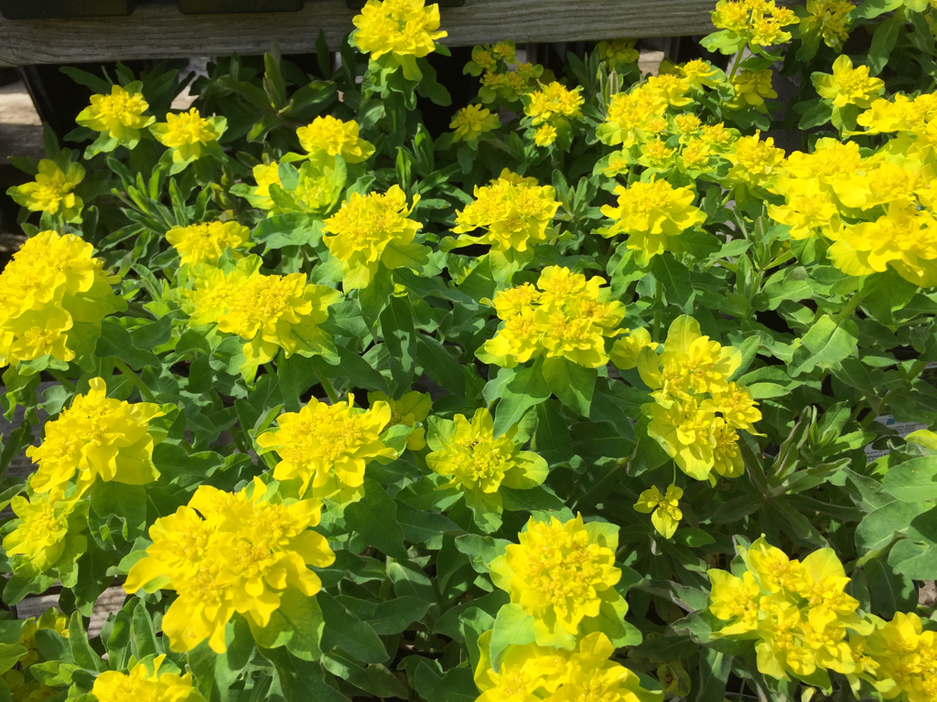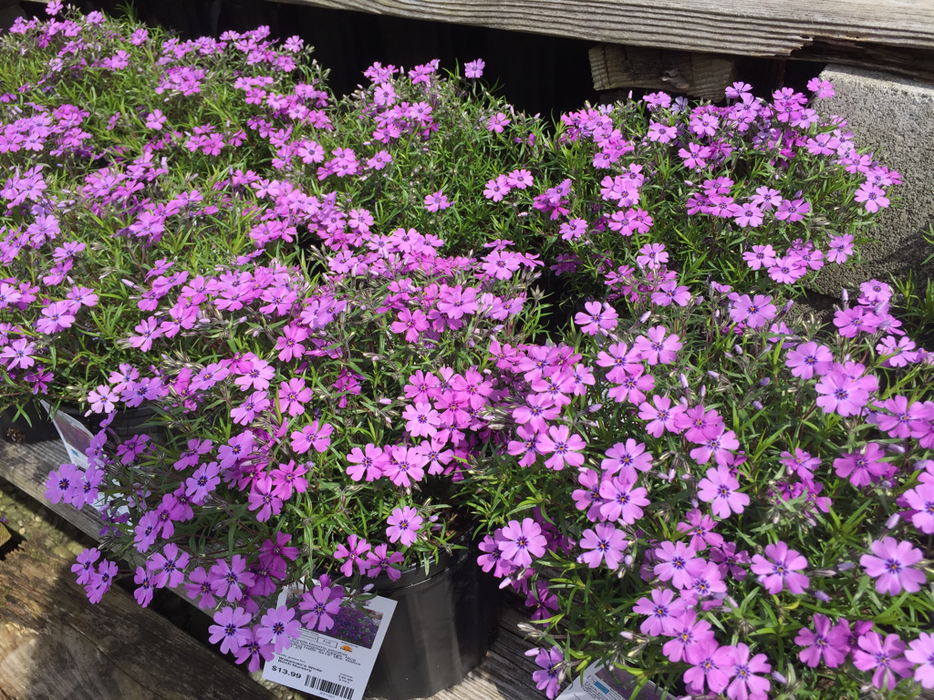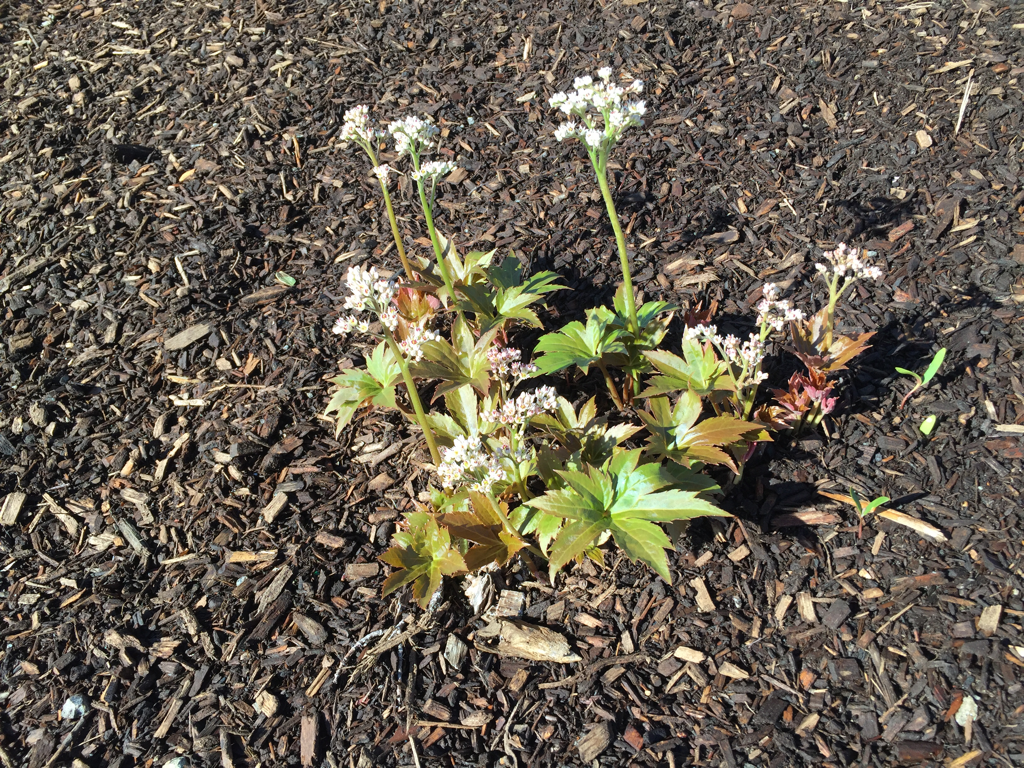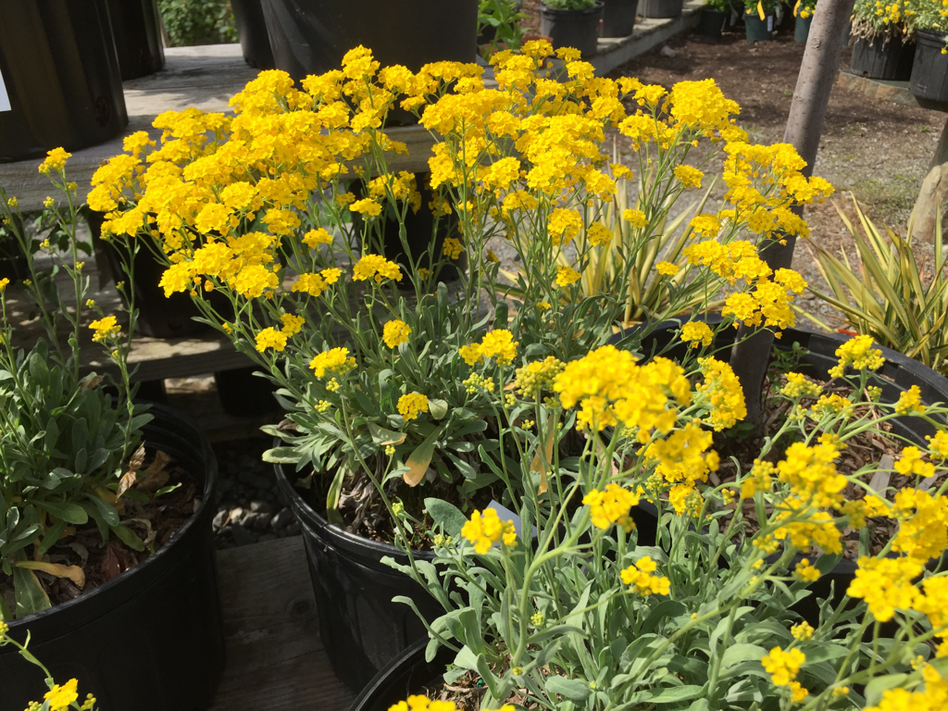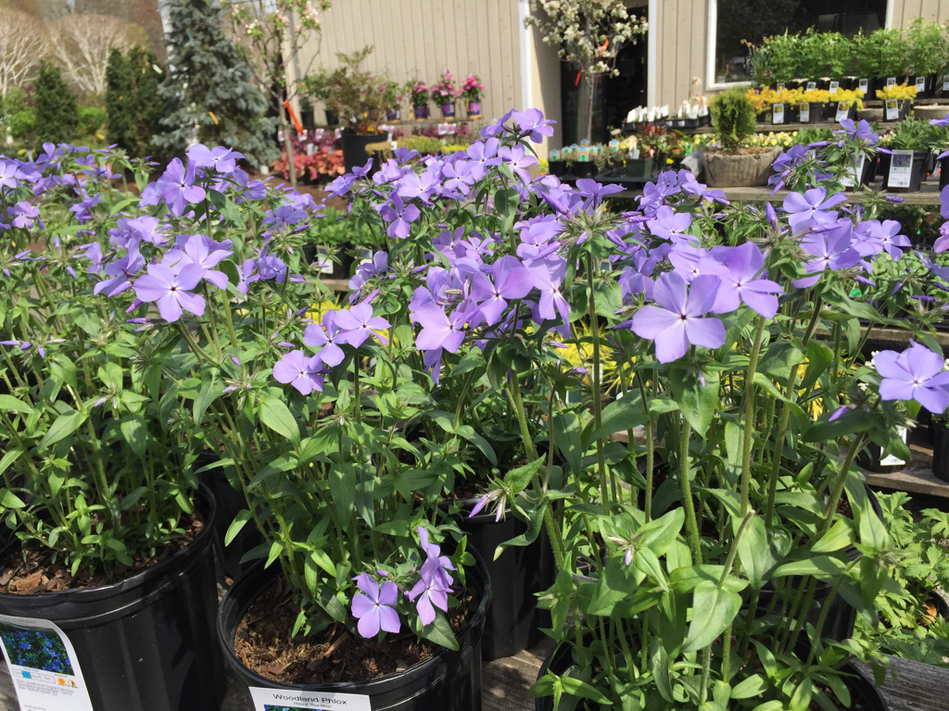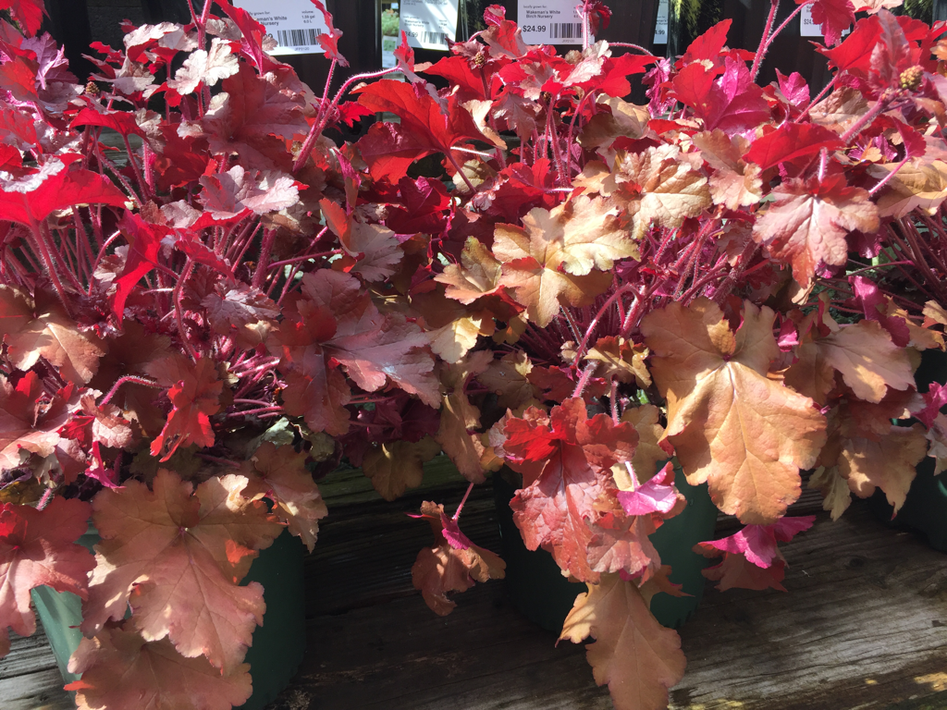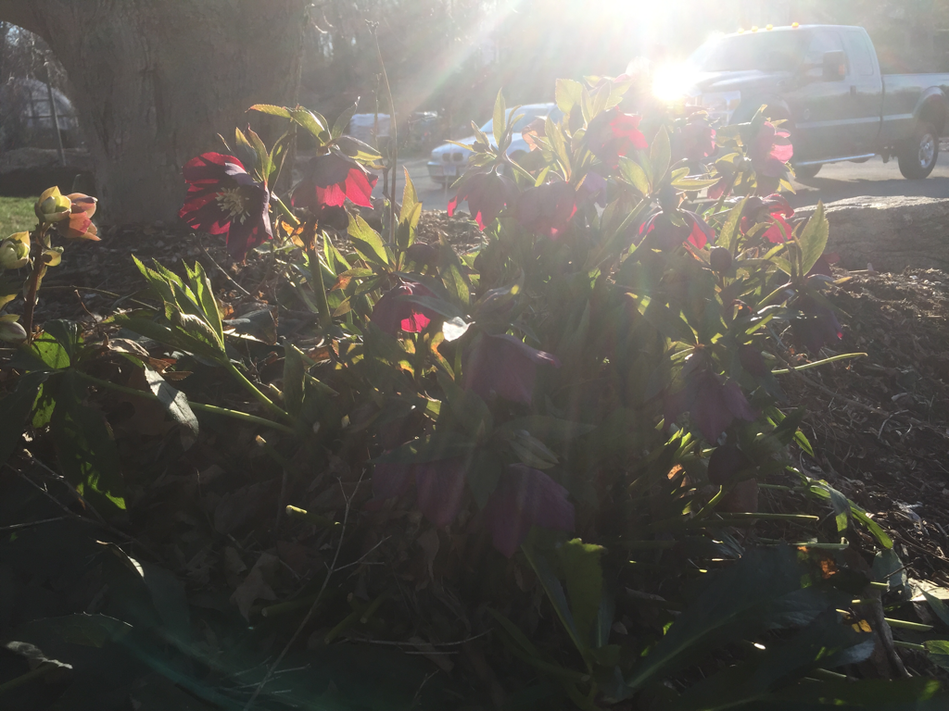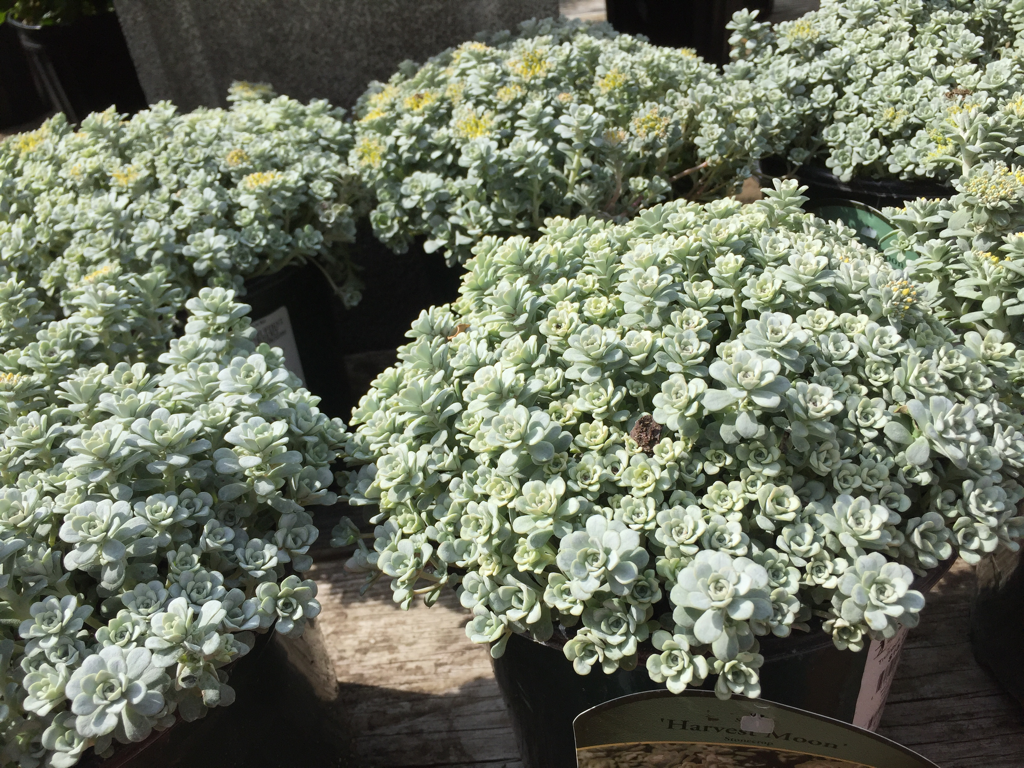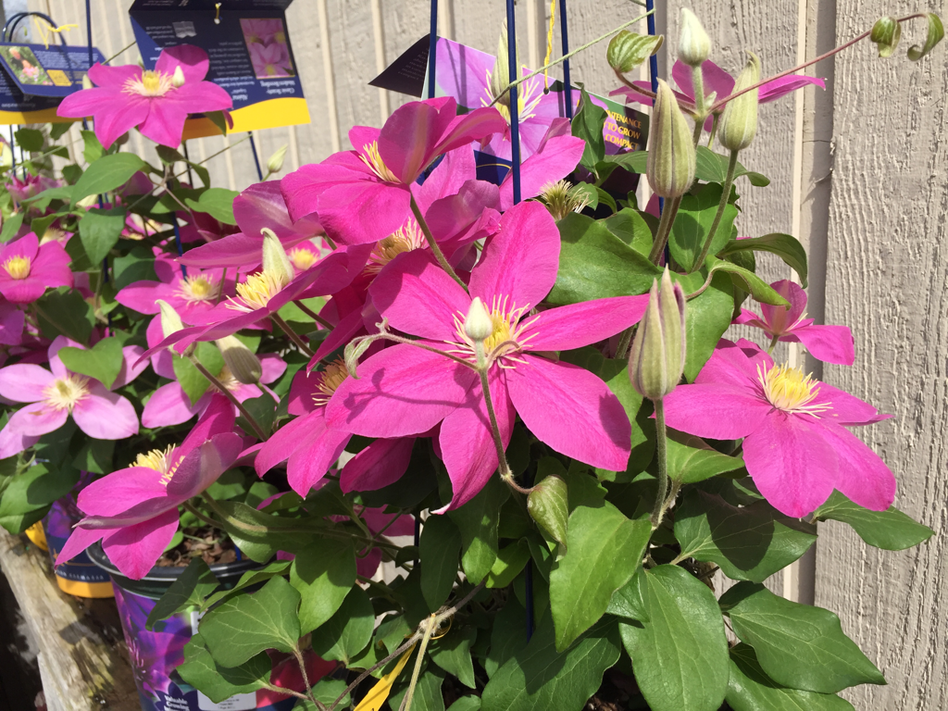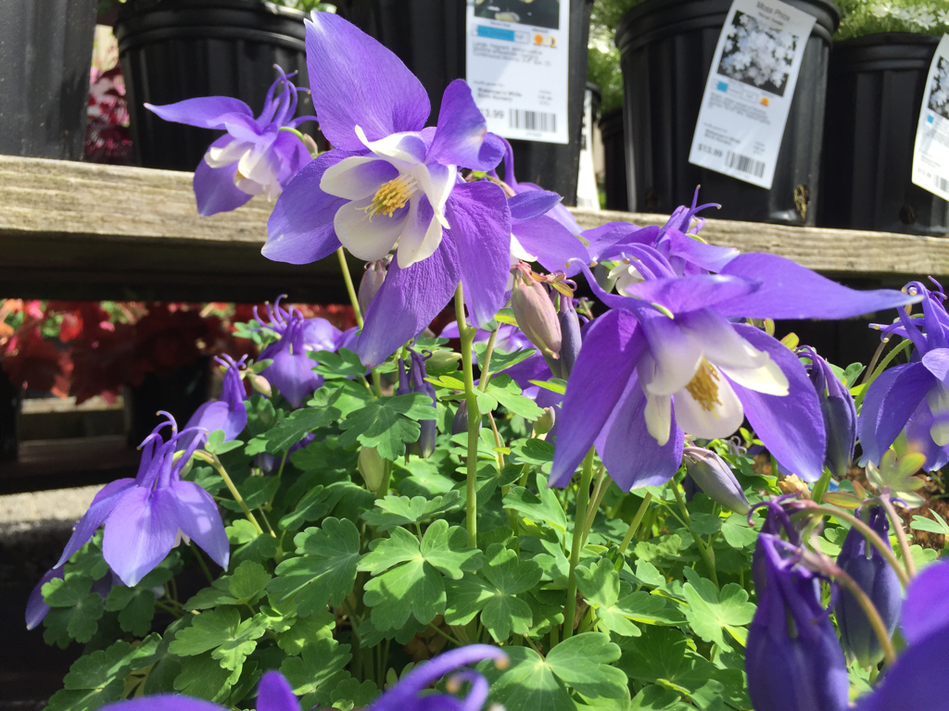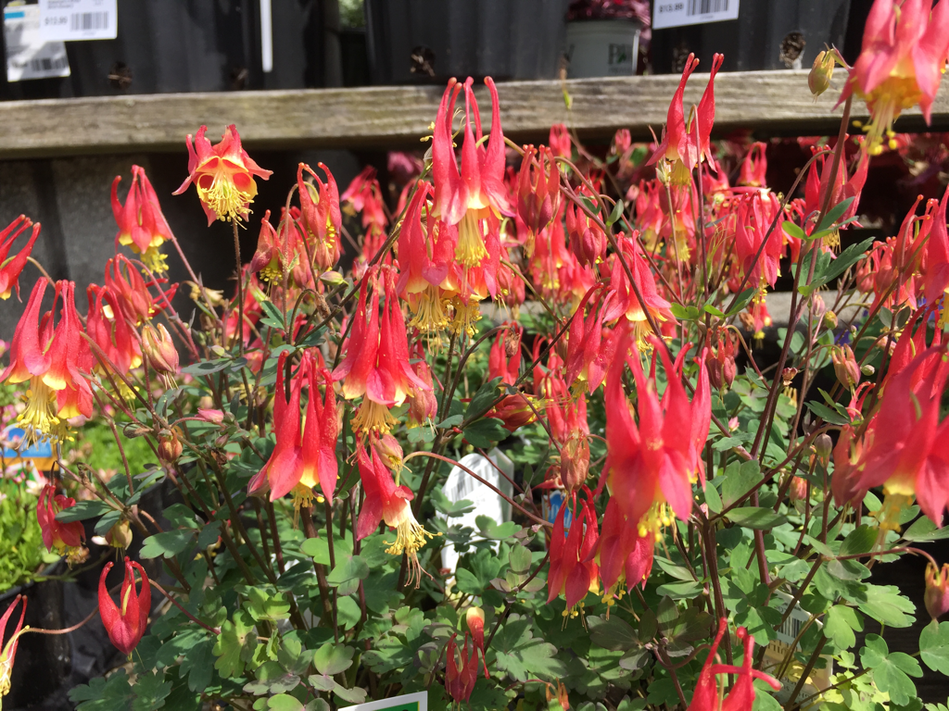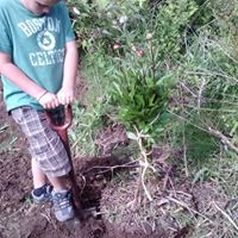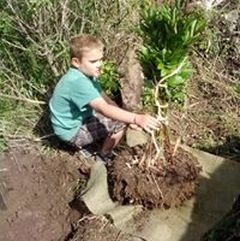
We carry perennials from March through December in one quart to five gallon pots and usually have a really good selection of hardy, Northern grown cultivars, including grasses, hardy and semi-hardy perennials, and flowering and foliage perennials. If we don't have it in stock, ask us and we will get it for you if possible.
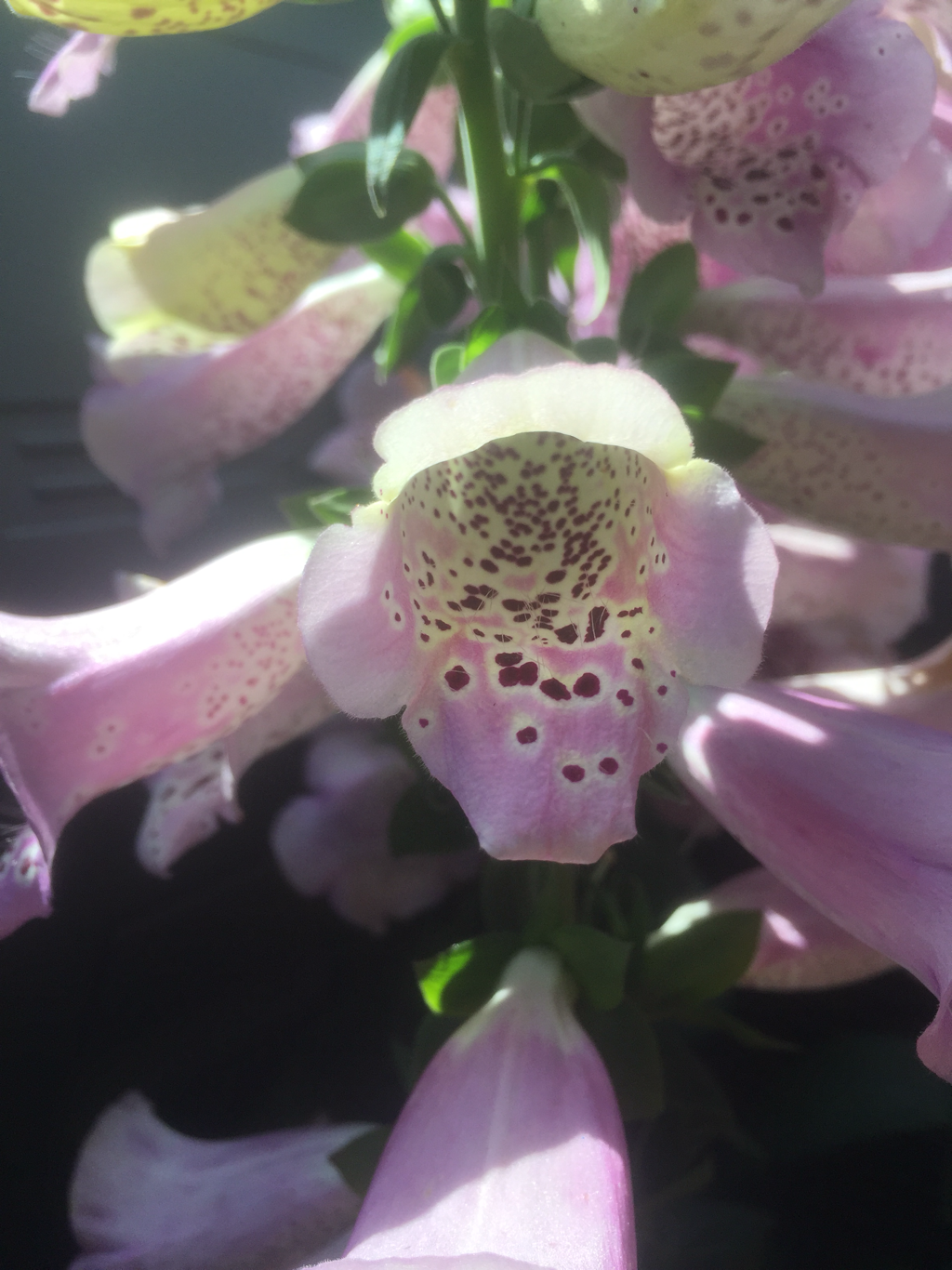
What we know about perennials:
1) Fall planting rocks! When perennials are planted in the fall their roots grow all winter long (if the soil is good), and the resulting plant that emerges in the spring can be 2x, 3x, 4x bigger than they were in the fall!
2) 90% of the customers who shop our nursery for perennials buy what's flowering at the time they're shopping. Rarely do we see people in the late summer buying spring flowering perennials, and very rarely do we see customers in the spring buying plants that flower in the fall. It is easy to understand this- that's probably the way I would buy them too if I didn't know what I know. This is being written in mid-August, and we have some absolutely beautiful spring flowering perennials that no one buys at this time of year, so I am urging the reader to consider this when shopping for perennials.
3) Don't be afraid to cut perennials down when they're done flowering or looking shabby. We started doing this years ago, and discovered that the ugly, ratty, horrible-looking perennials (assuming the roots are healthy) rebound quickly, sometimes reflowering as if it were spring again. So don't be afraid to get down on your hands and knees and cut that catmint down, you'll find a second round of flowers awaits you.
4) It's tempting to plant the mums that you see in grocery stores or big box stores, who can resist? The problem with those plants is that they don't come back the following year and only last a few weeks. There's an entire world of perennials that will come back and do their thing in the fall so you don't waste your money on something that lives such a short time.
5) I stopped spraying insecticides on perennials in 1998. At college I had been trained to spray insecticides to keep plants clean so customers were buying "healthy plants." But in 1998 I realized I had not seen a honey bee at the nursery in decades, so that year I decided to take a new tack and not spray any insecticides or fungicides at all, and the result was a plethora of honey bees pollenating all summer long as well as hundreds of butterflies and caterpillars but most importantly monarch butterfly caterpillars. I captured the caterpillars and my son and I gave them to his kindergarten class that were hatched in the courtyard of the school that flew down to Mexico. Equally exciting was the fact that our perennials never looked better because I was focusing on repotting, feeding, watering, etc. that resulted in super healthy plants that didn't need any pesticides whatsoever, and I haven't sprayed them ever since. The only exception to this rule are the perennial hibiscus and some other miscellaneous issues that you may have to spot treat every now and then. I will add that I believe that paying attention to the perennials basic needs, the pathogens reached a state of parity with their pathogens ie. aphids got eaten by ladybugs, etc. It seems to me that there was a natural balance restored to our nursery where the pathogens never seemed to be a problem again.
6) Speaking of pathogens, the worst one in the world is the "&$@#ing" deer, and the solution that we found decades ago was Milorganite which can be found at a big box store. We found the best time to apply it is early April when the deer are perusing their environment (which happens to be yours). At this time of the year they are trying to ascertain where theyre going to be eating all summer long and if you can get them to go somewhere else you will be the beneficiary the rest of the summer. You can either put in on heavily around the edge of your property and/or spread it carelessly over your perennial gardens. It will have to be reapplied periodically in the same manor for best effect. It is also an excellent fertilizer because it contains 4% iron, a micronutrient which isnt often found in most fertilizers.
7) Designing perennials- what a hassle! It's too complicated for me, so I just plant perennial gardens at my house, slowly filling in holes that exist with my only criteria being that they have to be well-behaved because there's almost nothing worse than a plant that spreads widely, drops seeds all over the place and invades it's neighbor's territory. The other thing I don't plant is deer food perennials so I don't have to go through the disappointment of the flower blooms disappearing prematurely because of the 300lb vermin. If the deer eat it, I don't plant it, and for those of you who don't have deer I envy you.
8) The insect population has plummeted to 75% of what it used to be, which doesn't say much about the human race. We have seen insects disappearing for decades and nothing ever seems to be done about by our governments, so maybe it's up to us. Everyone talks about the honey bee, but I've noticed that the real workhorse in my world is the bumble bee and all the other hundreds of bees that fly around unnoticed :( ! When I tell people that this or that perennial attracts bees half of them shake uncontrollably and shout "oh no! I don't want to attract bees!!!" I try to talk them into being comfortable with bees because I've worked here for 50 years and I've never been stung by any of them. The bees are so single-minded all they care about is pollinating they're not gonna sting you. If you're gonna choose perennials, try to find those that attract pollinators, and I think your world will be ore full with them. Picture insect is a free app that enables you to take a picture of the insect you don't recognize and then learn about a world of interest just as fun as perennials.